Exploring Black Flies and Other Emergent Insects at Algonquin Provincial Park

CategorIes:

By

·

4–7 minutes

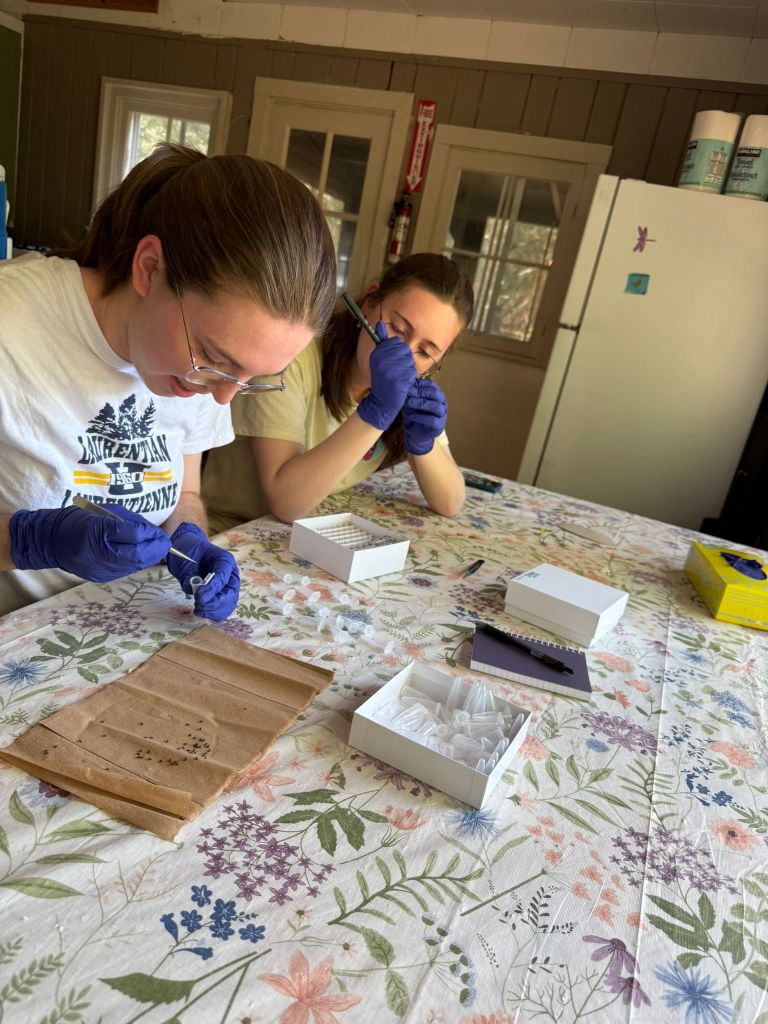
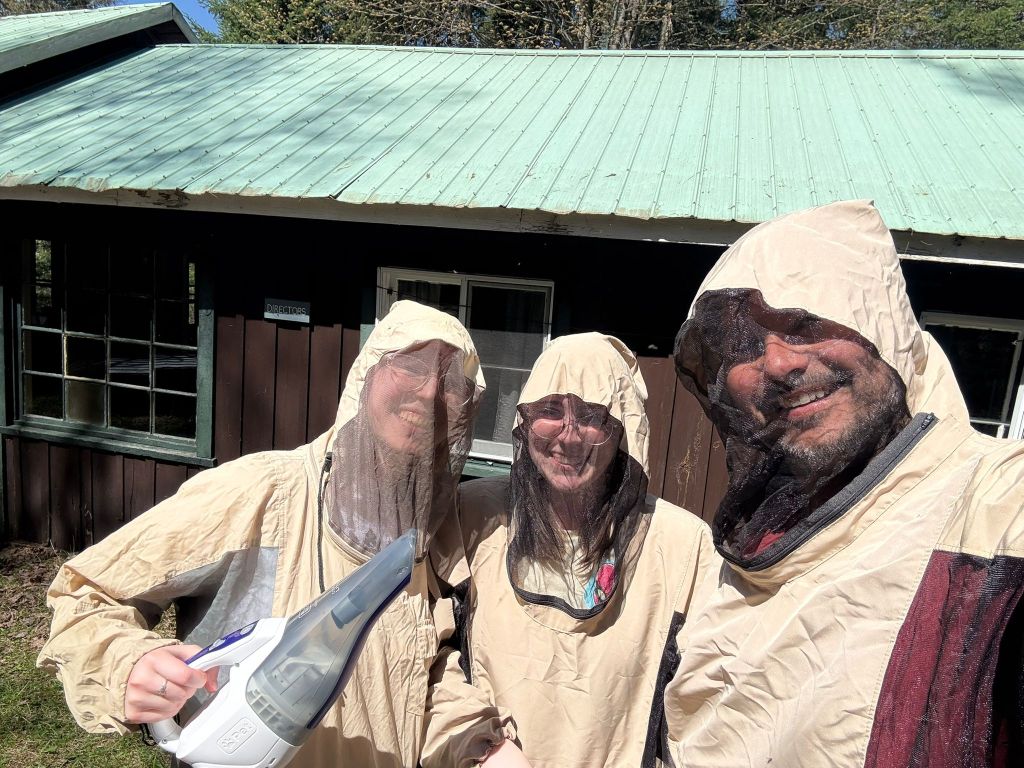
Ever wonder what black flies are biting? Did you know there are only about five species of black flies in Canada that are anthropophilic? So what about the other species? That’s exactly what Nicole is trying to figure out. By trapping black flies and extracting their DNA, we can sequence this to find out what they like to bite. Our trapping methods included using dry ice to act as CO2 bait to draw in the black flies to our trap. The trap is small with a fan powered by a battery pack to pull the black flies into the trap. After an overnight collection, we would place the trap in the freezer, then put any insects caught into a vial. 

This process would be repeated over the course of the week, where traps would be placed near Caoimhe’s sites as well as anywhere where there might be an abundance of animals, for instance, near a lake where there are lots of Loon sightings or by a creek where there is a beaver dam present. 

Each day came with new challenges. As the week went on, we were slowly running out of dry ice. Some strong winds also contributed to falling trees blocking roads and breaking power lines, ultimately causing a power outage during our final few days in Algonquin Park. This posed an issue more with the battery-powered traps, as we were not able to charge them, so they would be used at half battery. This made the traps turn off in the middle of the night, and when the trap would turn off, there would be space for the black flies to escape. 

Nevertheless, we prevailed and still collected a lot of samples of both adults, larvae, and pupae to be identified and processed in the lab when we return. Overall, it was an incredible trip, and the people of Algonquin Wildlife Research Station (AWRS) made it even better with their warm welcomes, great food, and overall interest and enthusiasm towards our projects. We would love to return and see how things have changed next year. 

Ever wonder what black flies are biting? Did you know there are only about five species of black flies in Canada that are anthropophilic? So what about the other species? That’s exactly what Nicole is trying to figure out. By trapping black flies and extracting their DNA, we can sequence this to find out what they like to bite. Our trapping methods included using dry ice to act as CO2 bait to draw in the black flies to our trap. The trap is small with a fan powered by a battery pack to pull the black flies into the trap. After an overnight collection, we would place the trap in the freezer, then put any insects caught into a vial. 

This process would be repeated over the course of the week, where traps would be placed near Caoimhe’s sites as well as anywhere where there might be an abundance of animals, for instance, near a lake where there are lots of Loon sightings or by a creek where there is a beaver dam present. 

Each day came with new challenges. As the week went on, we were slowly running out of dry ice. Some strong winds also contributed to falling trees blocking roads and breaking power lines, ultimately causing a power outage during our final few days in Algonquin Park. This posed an issue more with the battery-powered traps, as we were not able to charge them, so they would be used at half battery. This made the traps turn off in the middle of the night, and when the trap would turn off, there would be space for the black flies to escape. 

Nevertheless, we prevailed and still collected a lot of samples of both adults, larvae, and pupae to be identified and processed in the lab when we return. Overall, it was an incredible trip, and the people of Algonquin Wildlife Research Station (AWRS) made it even better with their warm welcomes, great food, and overall interest and enthusiasm towards our projects. We would love to return and see how things have changed next year. 

Ever wonder what black flies are biting? Did you know there are only about five species of black flies in Canada that are anthropophilic? So what about the other species? That’s exactly what Nicole is trying to figure out. By trapping black flies and extracting their DNA, we can sequence this to find out what they like to bite. Our trapping methods included using dry ice to act as CO2 bait to draw in the black flies to our trap. The trap is small with a fan powered by a battery pack to pull the black flies into the trap. After an overnight collection, we would place the trap in the freezer, then put any insects caught into a vial. 

This process would be repeated over the course of the week, where traps would be placed near Caoimhe’s sites as well as anywhere where there might be an abundance of animals, for instance, near a lake where there are lots of Loon sightings or by a creek where there is a beaver dam present. 

Each day came with new challenges. As the week went on, we were slowly running out of dry ice. Some strong winds also contributed to falling trees blocking roads and breaking power lines, ultimately causing a power outage during our final few days in Algonquin Park. This posed an issue more with the battery-powered traps, as we were not able to charge them, so they would be used at half battery. This made the traps turn off in the middle of the night, and when the trap would turn off, there would be space for the black flies to escape. 

Nevertheless, we prevailed and still collected a lot of samples of both adults, larvae, and pupae to be identified and processed in the lab when we return. Overall, it was an incredible trip, and the people of Algonquin Wildlife Research Station (AWRS) made it even better with their warm welcomes, great food, and overall interest and enthusiasm towards our projects. We would love to return and see how things have changed next year.  -Nicole Luciani
Leave a comment